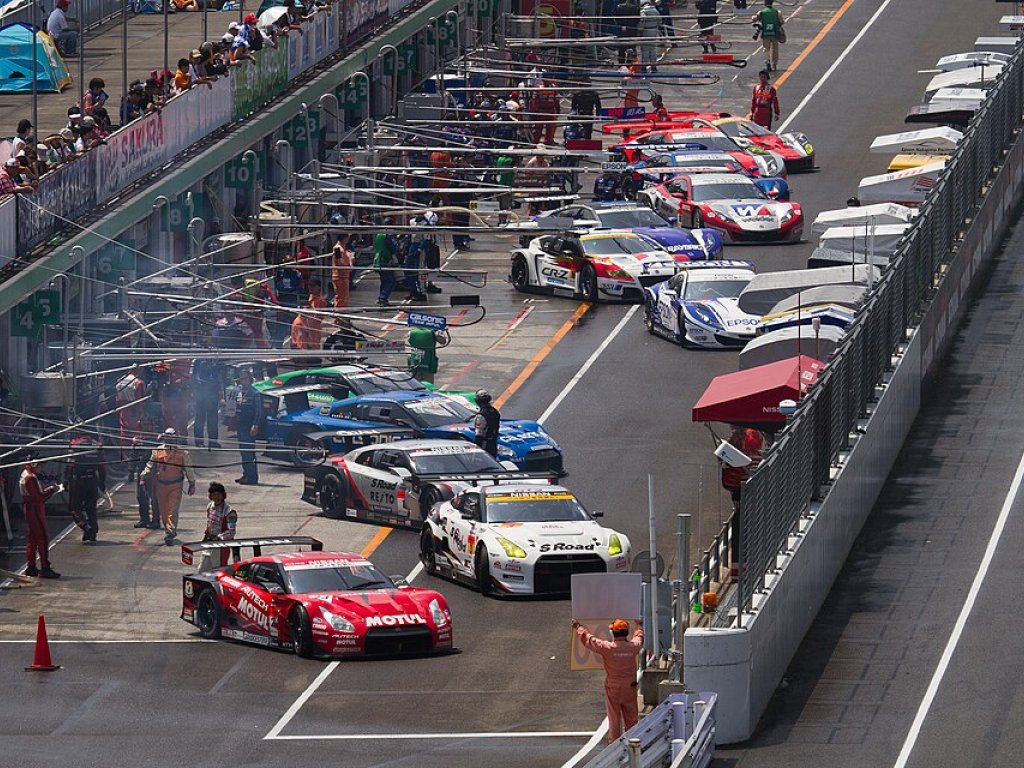
The paddock of a track day looks like a well-behaved zoo: you always meet the same species, each convinced it is the only one of its kind. There are dozens of varieties, but five turn up at every outing, whatever the circuit, the weather or the price of the coffee. Here is the field guide, to be read with a smile. Good news: everyone recognises themselves in it, and those who claim otherwise are probably number 4.
1. The beginner who has read everything
He has read three books, watched forty videos and learned the ideal line for every corner of a circuit he has never seen. He arrives the day before to scout the car park, with a notebook, a stopwatch and a laminated checklist. In the morning briefing he is the only one taking notes, and he asks a question about tyre pressures to which the instructor responds with a polite smile.
On track, everything gets complicated: he applies everything at once, which amounts to applying nothing at all. He thinks about the apex, the far-away gaze, weight transfer, the mirror and the next corner, and he discovers that a brain does not have as many processors as a modern car. By the second lap he already drives like someone reciting a poem learned by heart: correctly, but without understanding a word.
His gear deserves a mention. A race suit bought before he ever drove a lap, matching gloves, and a bag so neatly packed that it takes him ten minutes to find his wheel wrench. He printed the track map and highlighted the braking zones in three colors, which will be useful right up to the first corner.
At the lunch break, he is the one rereading his notes over his sandwich, before heading back out with a new theory. It usually lasts a lap and a half, which is how long it takes the circuit to offer another one. In the evening he leaves tired, head full, and already signed up for the next date: the mark of the very best.
2. The one with perfect tyres and no level to match
His tyres cost two months' salary, his wheels are forged, his brake pads have an Italian name and his calipers are painted a colour that does not exist in nature. In the pits he likes to open the boot and let a circle of admirers take the guided tour. He knows the part number of every component, the price of every component and, on good days, the purpose of a few of them.
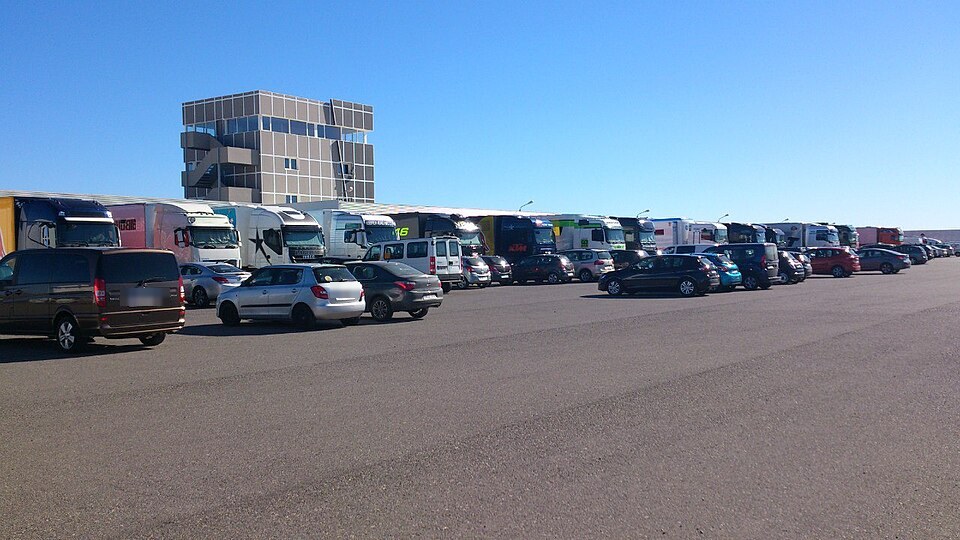
On track, though, he laps three seconds behind an old standard hatchback driven by someone very calm, and that is where the argument with himself begins: "There must be a setting." There always is, of course: the body is too high, the track too narrow, the temperature too cold. Each new piece of kit removes a little of his excuse, but plenty remain, and he already has an order form for the next one.
He also has the car that silences the pits when it starts. The engine is tuned, the exhaust has been "optimized", and the noise is such that you recognize his arrival before you see him. The brakes are racing brakes, but he treats them as if they were borrowed.
The best part is the comparison moment: the neighbor in the next pit, driving a standard sedan, politely asks him how much horsepower he has. He answers precisely, down to the last horse, then asks the same question back and gets: "I don't know, enough." It is the most dangerous answer in the paddock.
3. The lap-time fan
He knows his times to the hundredth: yesterday's, those from two years ago and those of his neighbour in the pits, which he obtained without asking. He checks his app at every return, with the look of a trader in front of his screen, even though the day is made for driving, not for comparing. In the pit lane he is already setting up the recording of the next lap.
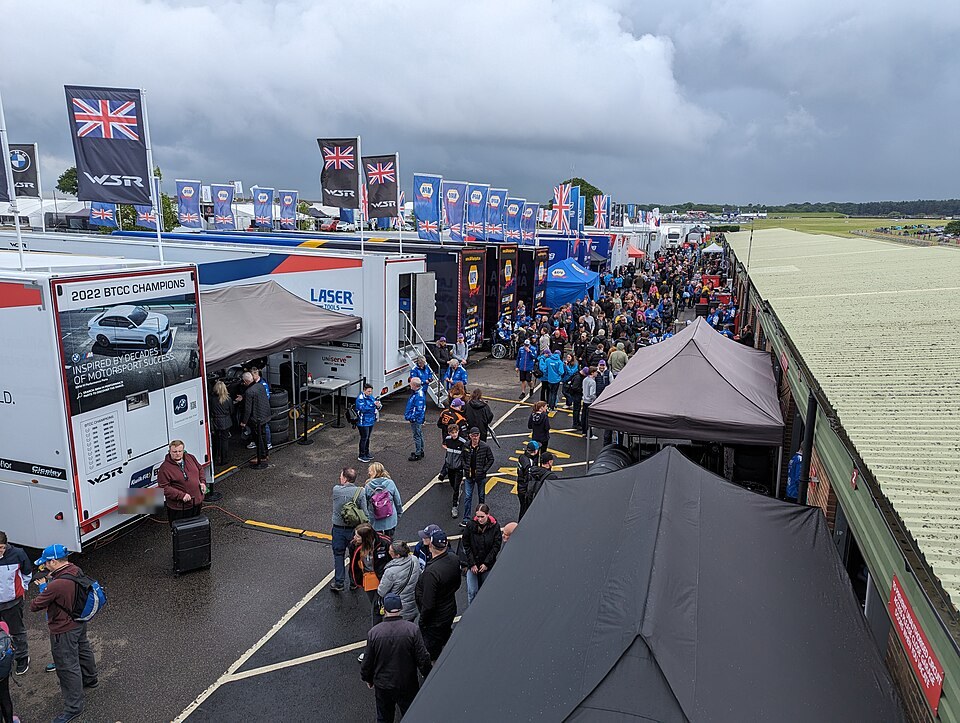
His best lap was always "ruined by traffic", by a yellow flag or by a car whose driver "never looks". He sometimes leaves the pits just behind someone faster to "benefit from the slipstream", which is an elegant way of asking to be overtaken in the first corner. By dint of chasing the hundredth, he sometimes forgets the corner that was supposed to bring it to him.
In the car, the camera is mounted, the GPS too, and the data streams live to a phone sitting on the dashboard. Back at the pits, he sets up a laptop in the middle of the garage and overlays his curves on yesterday's, looking like a Formula 1 engineer with a camping budget.
In the evening, at the debrief with himself, he has gained two tenths in the chicane and lost four on the straight, without quite knowing why. He goes home delighted anyway: on a graph, there is always a reason to hope. And the following weekend, he comes back to hunt for that tenth like a treasure hunter.
4. The king of the missing mirror
He drives straight, focused, confident: what happens behind is an unimportant detail. Faster cars caught up with him three corners ago, flashed their headlights, then flashed them a second time, and he still has not noticed. In his world, the track starts at the front bumper and stops at the windscreen.
In the pits afterwards, he complains that "people tailgate", that "some drive like idiots" and that the day would have been perfect without the others. He does not understand that the others are precisely the ones who waited, with admirable patience, for a gap that never came. The marshals, for their part, know him well: they have already waved a blue flag in his direction with the serenity of people who know he will not see it.
There is a more sophisticated variant: the one who looks carefully behind him, but only to decide to change nothing. He saw you, that much is certain, and concluded that the line was his. You follow him for three corners thinking his car has a transmission problem, before realizing it is a problem of principle.
Most track days do provide clear passing rules, repeated at the morning briefing. The king of the missing mirror, for his part, did not read the rules: he looked at the pictures.
5. The quiet pro
An old car with no stickers, a plain helmet, a flask and a smile. He arrives early, sets up his corner of the pits in ten minutes, and looks like anything but someone you would notice. While the others compare their wheels, he checks his pressures, his fluid levels and his torque settings, then sits down with a coffee, like a man with nothing to prove.
On track, he drives so smoothly you think he is slow, until you look at his lap time. He never brakes late, he brakes right. He does not overwork the car, he lets it breathe. He moves over without a thought when a faster car arrives, and when he overtakes he leaves the necessary room to the one he passes. At the end of the day he has done more laps than anyone, with brakes that have not faded.
He says nothing about his technique, but gladly answers anyone who asks, without the tone of a know-it-all. It is the only species to take inspiration from without saying so: calm, clean, consistent, and always one eye on the mirror. You do not become him by buying something, but by driving a lot, listening to those who know more and accepting, from time to time, to be the beginner of the day.
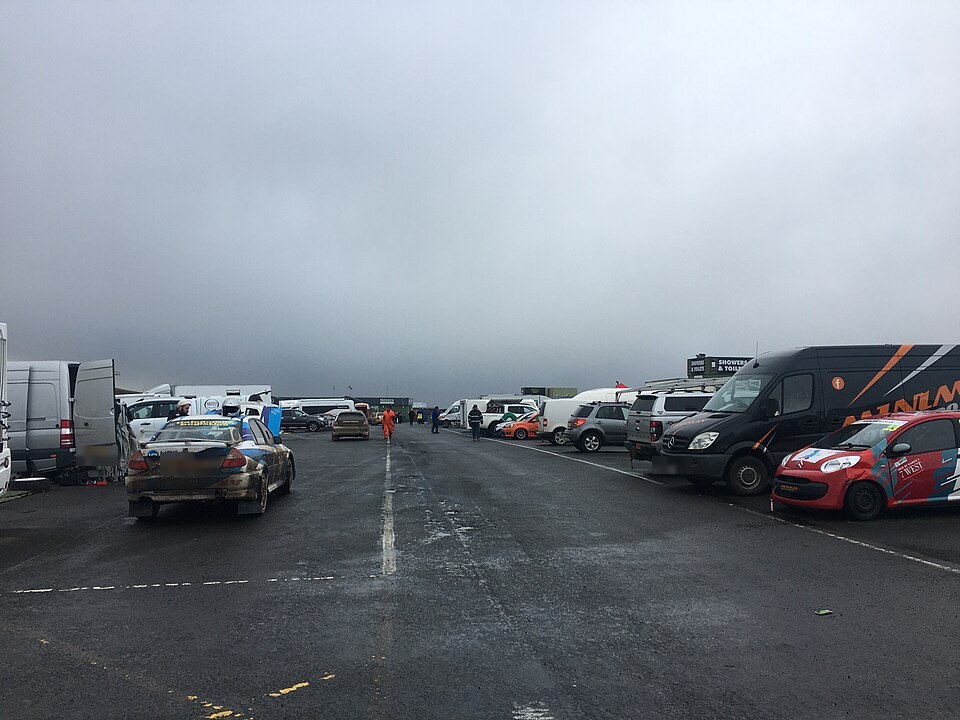
To observe these species in their natural habitat, the EuropaTrackdays calendar lists the track days near you, with the circuit, the organiser and the format. See you in the pits.
Read also: Getting started on the track: what you need to know before your first day · Racing lines · Warming up your tyres: the method
Any resemblance to existing drivers is, of course, purely coincidental.


