"How much does a track day cost?" This is the first question every beginner asks, and their partner too, usually in a different tone. The short answer: registration is just the tip of the iceberg. Here's the long answer, with figures, price ranges, and a few tips to keep the bill within reason (which, on the track, is a very relative concept). Because depending on the organizer, the track, and especially the car, the same satisfaction at the end of the day can cost €100 or €10,000.
Registration: the displayed price
This is the line you see on the calendar. According to the open track days listed by EuropaTrackdays in 2026, the median registration fee for a full day is around €200, with most days costing between €120 and €400. A half-day generally costs a little more than half the price of a full day. Some organizers also offer packages (ten half-days, membership cards) which lower the final price, provided you stick to them; otherwise, it's a great way to support an organizer, who certainly deserves it.
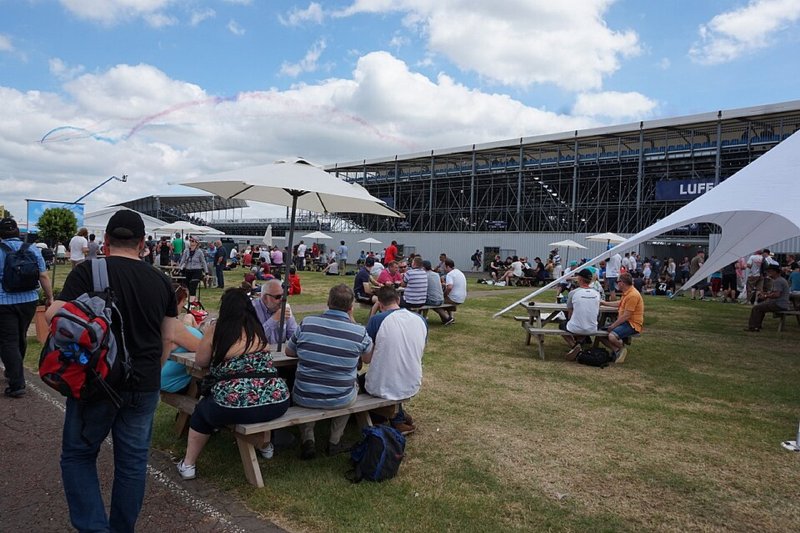
Small local club days, which exist everywhere and cost much less, are harder to spot and often just as nice, but the organization is not always very rigorous and your bodywork might not appreciate the free aperitif at noon.
Three price differences: the organizer, the circuit, the car
A median doesn't tell the whole story: two track days may only have the word "track" in common. There are three main sources of discrepancy:
The organizer: a little bit. On the same circuit, organizers don't charge the same price because they don't offer the same services: limited or unlimited number of cars, instructors, insurance, meals, support. At Spa-Francorchamps, a day's admission ranges from €469 with one organizer to €990 with another; at Hockenheim, from €390 for a German club (for its members) to over €700 with a coached organizer; at Le Castellet, track access with lunch and an open bar costs €650 to €800 with a car-brand club this year, €890 for a day of open track time with another, and €990 for seven hours of track time with a third. The difference is rarely more than double, but enough to compare what's actually included before choosing the cheapest option.
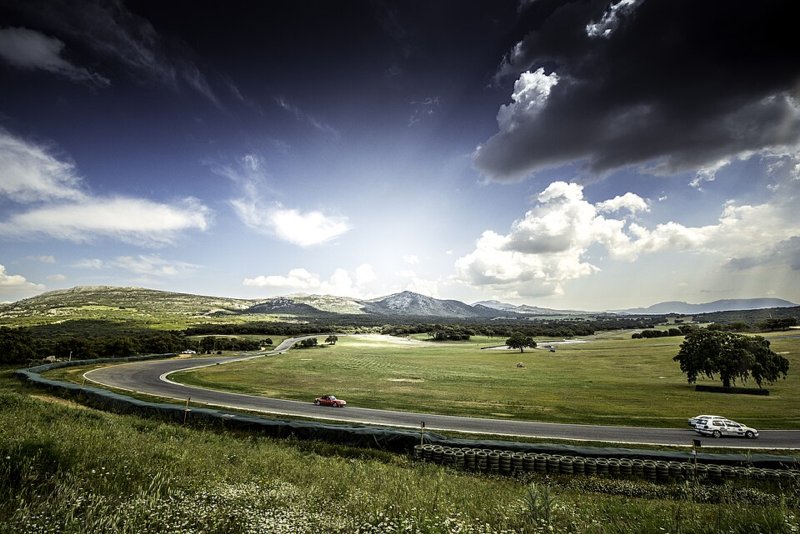
The circuit: a lot. A registration at La Châtre (it's a remote spot in France) will cost you less than €100, while an all-inclusive day at Le Castellet (also in France, but closer to the sea) starts at €650 and can exceed €1,500. On one hand, a family day out, where you picnic on the hood of your car and everyone knows each other; on the other, a day out where they bring you drinks before you're even thirsty. Both have their regulars, and we respect the differences. A well-known circuit is expensive to rent, and that's reflected in the registration price. The same gradation can be found throughout Europe: a lap of the Nürburgring Nordschleife on open laps costs €35 at the ticket office, while a day on a major Formula 1 circuit like Barcelona-Catalunya costs between €550 and €900 with open track day organizers, and much more in coached formulas or those reserved for racing cars.
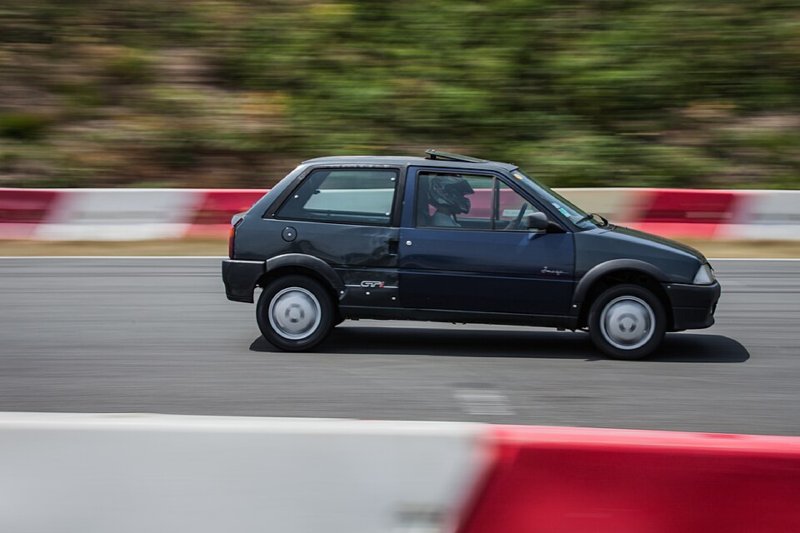
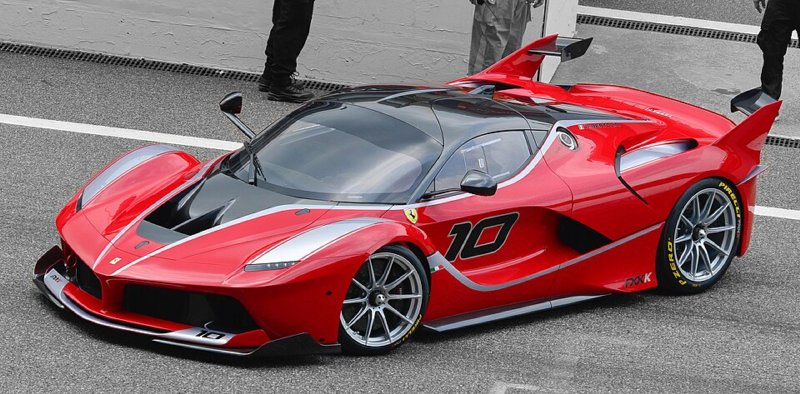
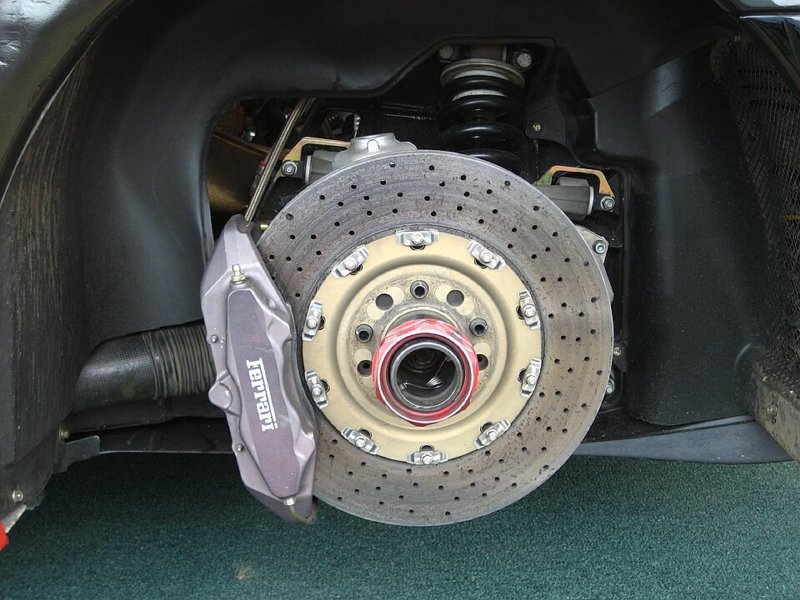
The car: enormously. It's the difference we forget when comparing entry fees, yet it's the one that weighs most heavily on the season. On a Focus ST, a set of sporty front brake pads costs €120 to €180, a set of discs around €250, a set of four sport tires around €700, and fuel for the day around €80. On a supercar with carbon-ceramic brakes, the pads cost hundreds of euros, a set of discs is ten thousand or more, a set of semi-slick tires costs €1,500 to €2,500, and the number of liters of gasoline (or kerosene, if you prefer) consumed by your V12 will make you long for a turbocharged 3-cylinder. We won't even mention the differences in repair costs in case of over-enthusiastic braking at the end of a straight. In short, the enjoyment is virtually identical, down to the tenth of a second, the grin on the way home is the same, and only the bill is worlds apart. The most sensible approach: choose the car, the circuit, and the organizer in that order, not the other way around.
Fuel: it goes fast
On the track, a sports car consumes... (I'll let you fill in the blanks based on your own experience): you're very often at full throttle. Expect 20 to 50 liters per 100 km, or 30 to 250 liters per day, depending on the car and the actual track time. I'm not converting that to euros; it's not the right time for that.
Tires, brakes: those are consumables too
This is where the budget comes into play, and where we understand why experienced drivers look at their tires with the tenderness of a cat owner. A set of sport tires costs several hundred euros, a complete set often between €600 and €1,000 for an ordinary car, more for a sports car. On the track, they wear out two to three times faster than on the road: a set typically lasts three to six days, not a season.
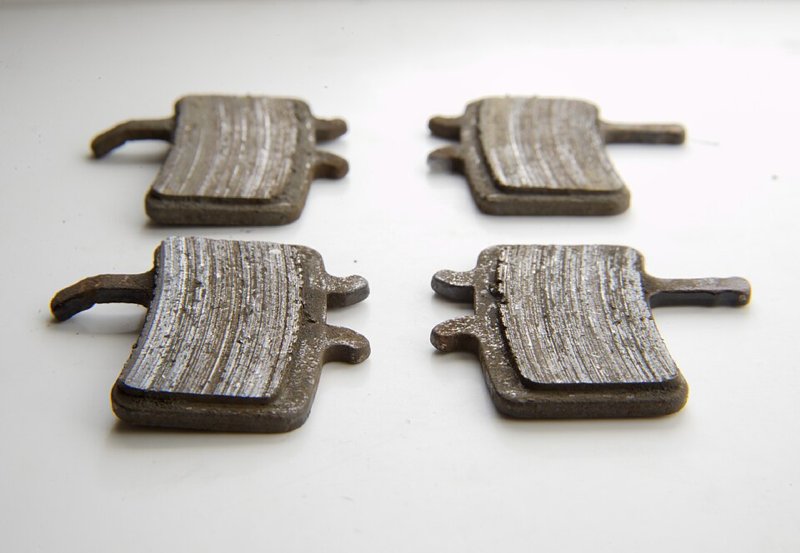
The same applies to brakes. A set of pads lasts a few days, a set of discs about ten, and the brake fluid needs to be changed at least once a year (see the article on getting started on the track). The good news: you don't need racing pads to begin with; good sport pads do the job perfectly well, and you change them less often than you might fear. The bad news: it all depends on the car, as you can see just above with the difference between a Focus ST and a supercar with carbon-ceramic brakes.
Maintenance and wear and tear
An oil change every two or three days, wheel alignment checks as often as possible, wheel nuts tightened before every drive, a clutch replacement now and then—and there you have it, maintenance takes its toll on the budget. The car will also age much faster with all the physical stress you put it through. In short, expect to spend a few hundred to a few thousand euros per year on maintenance, in addition to your usual routine.
Travel, accommodation and meals
The ideal circuit is rarely close to home. A 300-kilometer round trip costs around €100 for fuel and tolls, plus a hotel night and a meal once you exceed 250 kilometers, bringing the total to at least €100 to €150 per person. This is why day trips are often more economical than they seem when chosen close to home, and why group weekends with carpooling or shared accommodation are a viable option.
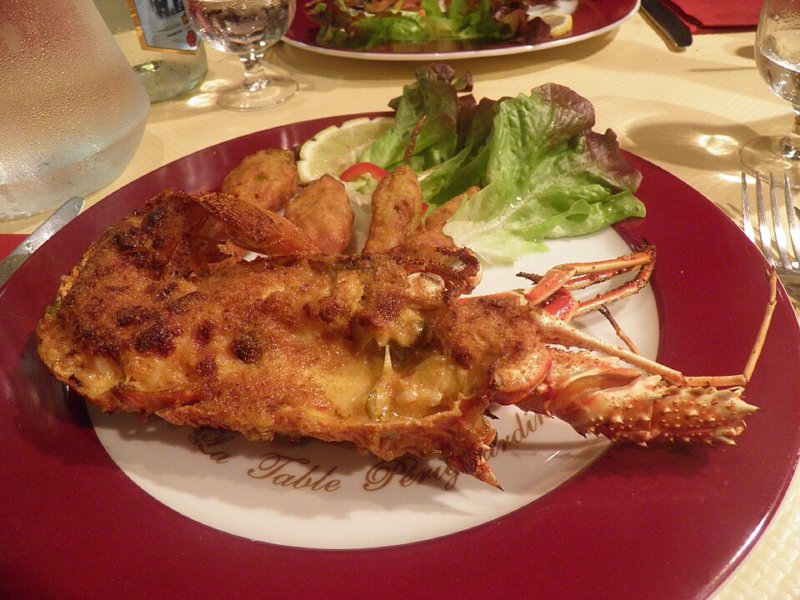
Here too, the price range is wide. On one hand, there's the paddock breakfast, with coffee and industrially produced chocolate croissants included in the entry fee, which has the advantage of being free and keeping you going until noon. On the other hand, there's the local gourmet restaurant, where you spend €180 per person and leave feeling heavier for the afternoon. The former costs around €5 and doesn't show up in your lap time, while the latter costs significantly more and is noticeable in the first two sessions. The same goes for the hotel: between a room a stone's throw from the circuit and a luxury hotel with a sea view, the difference isn't measured in lap times.
Insurance: Read before you pay
Your car insurance policy very often excludes track use. There are day policies available (around €20 to €30 for track liability, more to cover your own car), and annual policies that cover all track days. In any case, it's best to discuss this beforehand, in writing, not after you've watched your fender weeping all by itself in the gravel trap.
A season's budget: an example
To give you an idea, here's the budget for an amateur driver who does five track days a year in their home country (or a neighboring one) with a standard sports car, driving moderately but also not holding back. These figures are current estimates and should be adjusted based on your car and location.
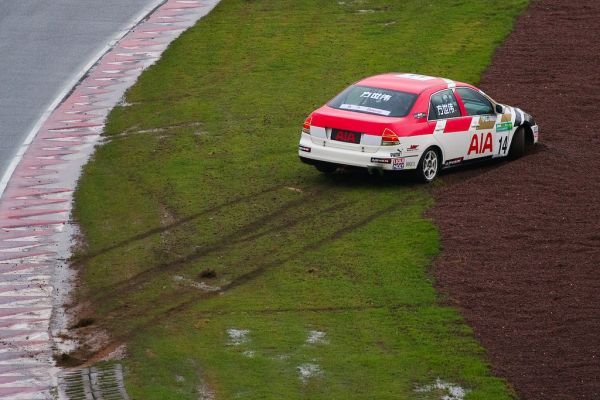
The calculation isn't new: in 2009, a speedster driver who raced ten days a year drew up his own, line by line, and arrived at "less than 8,500 euros all included," of which 350 euros was for a crash into the gravel trap, fiberglass repair included. Seventeen years later, tires have increased in value, brake pads too, and the crash hasn't aged a day.
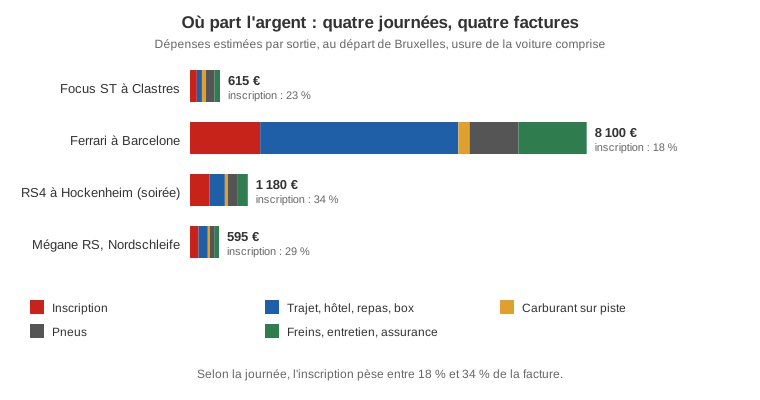
Four days, four bills
Nothing shows where the money goes better than an example. Here are four very different outings, with all the expense lines, including car wear and tear (that is, the amount of tire and brake wear consumed during the day). The registrations are from the calendar; the rest is an estimate that may need adjusting. To make a fair comparison, all four outings depart from Brussels.
How to reduce the bill
Without giving up on enjoyment, you can lighten the bill in several ways, and most of them consist of spending less on repairs rather than cutting back on the rest.
In conclusion
If you only remember one thing: the entry fee is just the tip of the iceberg, and rarely the biggest part. The rest is determined elsewhere: by the car you bring, its tires, brakes, and maintenance; by the distance between you and the track; and above all, by the cleanliness of your driving. A driver who brakes in time, checks their mirrors, and pits when the car tells them to will use less tire, brake pads, clutch, and patience, and will never encounter the most expensive line in their budget: going off the track.
To compare prices for multiple days, the EuropaTrackdays calendar displays the rates for each day, along with the track, organizer, and package. Have a budget question or a great deal to share? Let us know via the contact form; other drivers will benefit.


