There's a big difference between those who think a racetrack is just a road without speed cameras, and those who show up wearing a mountain bike helmet and wonder why they're getting strange looks. Yet, driving on a racetrack is within reach of almost everyone: a car in good condition, a helmet, a little humility, and you're good to go. So, for your first day, here's what you need to know before hitting the track, what to do once you're there, and above all, what you should avoid doing (we'll come back to that, it's a classic).
A racetrack is not a place to let off steam
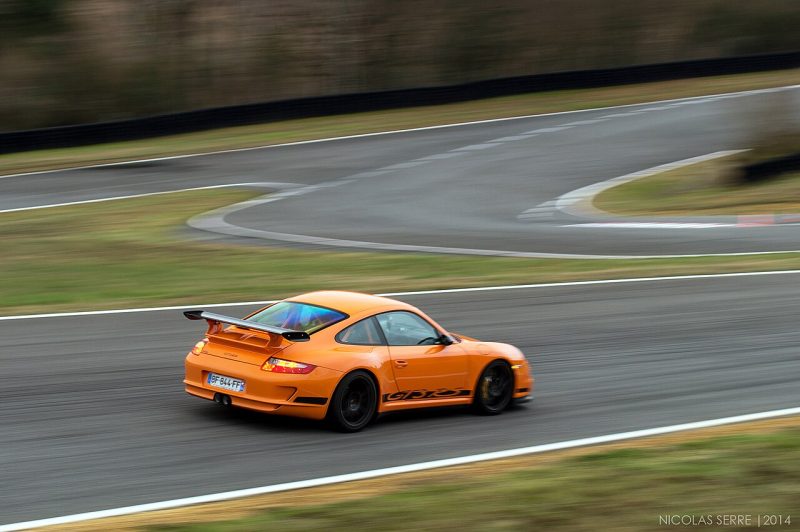
On the road, you drive at whatever speed other drivers and the police are willing to let you go. On a track, you can finally drive fast, in an environment designed for it: no intersections, no pedestrians, no tractors coming out of corners, run-off areas, marshals. It's the ideal place to improve, and the only sensible place to find out what your car is truly capable of.
However, be warned: this isn't a place where anything goes. The faster you go, the harder it is to recover once the car loses traction, and the more serious the consequences of going off the track. Driving on a racetrack remains a risky activity, one that's best to accept consciously before fastening your helmet. And if you hit another car, the rules of the road don't apply: on the track, each driver usually bears their own material damage. In other words, everyone pays for their own car, and no one pays for their neighbor's.
Choosing your organizer
This is the most important decision of the day, and it's made even before booking. There are some excellent organizers, and others less so. Many are very friendly enthusiasts who mean well, but they aren't always aware of the risks they take and the risks they impose on participants, not to mention the regulations, which are often overlooked. It's better to choose a reputable and experienced organization, even if it costs a little more: on the track, the savings rarely materialize at the end of the day.
A few points to consider before registering:
Not all insurance policies cover track driving: your car insurance contract very often excludes track use, usually in small print, just before the "have a good trip" message. If in doubt, ask the organizer and your insurer in writing before driving, rather than after.
Second choice: the format. In sessions, the cars are divided into groups (usually three) that alternate every 20 minutes, with the advantage of driving cars of similar performance. With open track time, you can go out whenever you want, as long as the maximum number of cars hasn't been reached. Some organizers combine the two: sessions in the morning, open track in the afternoon. For a first-timer, sessions and an instructor by your side are much better than a track open to all comers. The dates on the EuropaTrackdays calendar indicate the type of format.
The driver (you)
Above all, stay humble. The goal is to have fun, not to land a Formula 1 seat on a Tuesday afternoon at Magny-Cours. The main risk factor on a track isn't the car or the circuit: it's you. So don't try to do too much, take breaks throughout the day, and use those breaks to chat with others; there's always someone to tell you where to brake and someone else to tell you where not to.
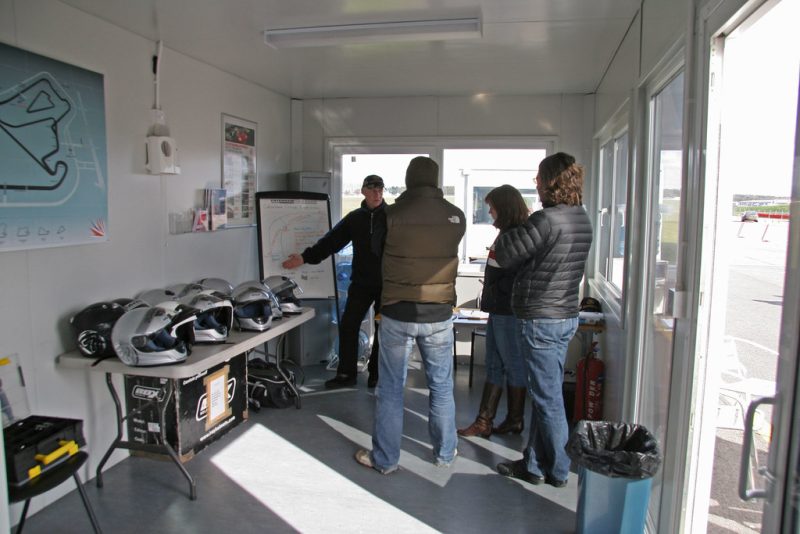
Be in good shape, because you'll need your full attention: if the journey is long, arrive the day before, and avoid celebrating until 2 a.m. Arrive on time for the briefing; it's mandatory, and that's where they tell you what the signs don't: the direction of rotation, the local meaning of the flags, instructions for exiting the pits, and the day's overtaking rules. Two times are particularly important to watch out for: the early afternoon, when you feel confident (sometimes a little too much so), and the end of the day, when fatigue sets in unexpectedly. And for everyone, the golden rule: don't do too many laps.
The car
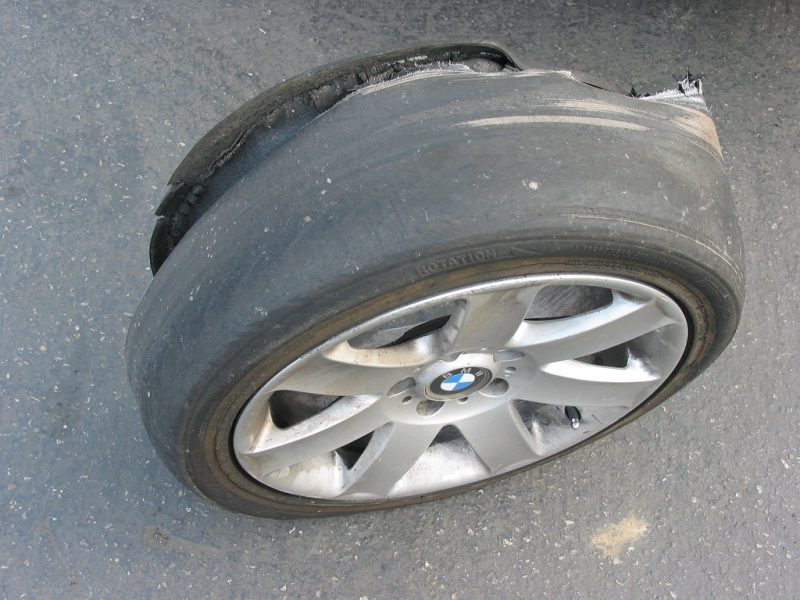
Even though you'll see more Porsches than old diesels, track days are generally open to all cars in good condition. What matters is maintenance, especially the brakes: on the track, you brake hard, often, and for long periods, something a city car's brake pads have never had to do. The pads shouldn't be more than half worn, and the brake fluid should have been changed recently, ideally with high-temperature fluid (no more than six months old, and it can be done in an hour at any friendly mechanic's). The tires must be in good condition: "I'll wear them out on the track" is a phrase rarely uttered twice, especially if it's raining.
Before the weekend, you should also check the oil level and pressure, and the tightness of the wheel nuts. And before going out on the track:
If you drive regularly, you'll want to upgrade your car. Keep it well-balanced: there's no point in fitting slick tires if the brakes and chassis are stock. On the track, better brakes and a better chassis save more time than 20 extra horsepower, and with far fewer cold sweats.
Exiting the pits: first test
Drive slowly to the track and wait for the starter's instructions. The pit lane is not an acceleration zone: spectators walk there, sometimes with children, and a driver trying to emulate Verstappen in the pits will attract attention, but not for good reasons. Turn on your hazard lights as you exit the pits and leave them on until the car is at the correct operating temperature (engine, tires, brakes). At the end of the lane, a marshal will indicate when the track is clear: follow their instructions, then accelerate briskly once you're in the designated area to merge into traffic without obstructing anyone.
A tip from a driver who's had his share of tough mornings: test your brakes as soon as you leave the pits. Sessions come thick and fast, and brakes don't always keep up. Check that no one is following you too closely, then, right at the beginning of acceleration, not at the end, briefly press the brake pedal. It's better to know then than at the end of the straight.
On the track
Don't push too hard right away. The first few laps are for warming up the car (tires, brakes, engine) and the driver (learning and memorizing the track). Gradually increase your pace, not from the very first corner, and if you're unfamiliar with the circuit, do your research beforehand: learn about its potential hazards, its layout, and ask those who know it. Better yet, if a more experienced driver offers you a ride alongside them, accept—it's the best deal of the day, and it's free.
After three or four laps, stop for a moment to check the tire pressure: it is measured when hot, and it will probably be higher than you expected.
Flags: things to know before seeing one
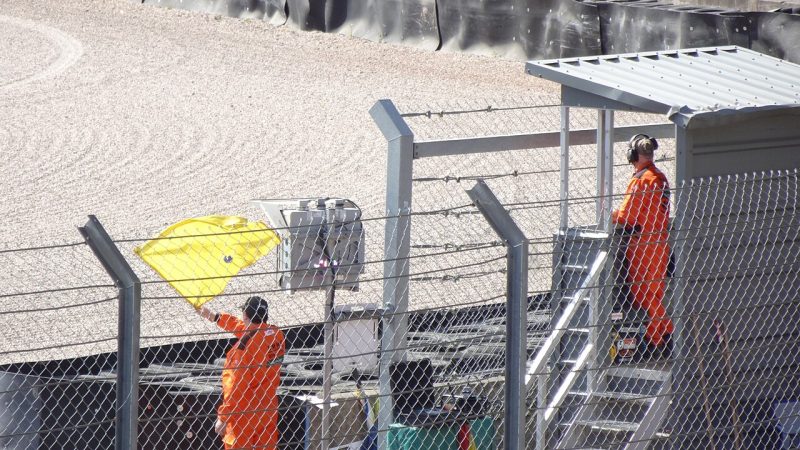
They are shown by the marshals, and the marshals are always right. The flag system varies slightly from one organizer to another; the briefing is there to clarify this, but here is the principle.
Overtaking, or the art of letting others pass
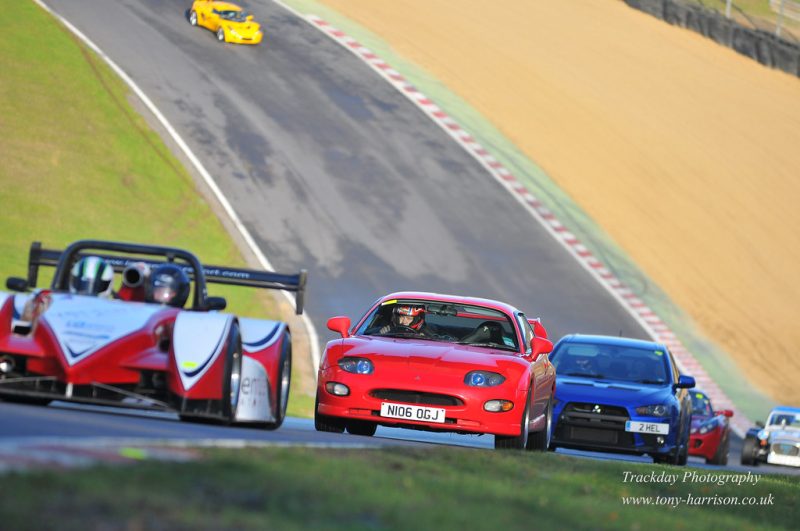
This is the crucial point for a successful day. Check your mirrors (inside, right, and left); they're the most important accessory for a beginner. Speed differences between cars are considerable, and overtaking can happen on either side. So, check twice before each corner, because a much faster car might already be overtaking you on the inside.
There's no shame in being overtaken: the other driver is simply faster, more experienced, or less young at heart. Whatever you do, don't try to stay in front; that's the best way to end up in the gravel trap. Stick to your usual line and, to make it easier for the other driver to pass, move to one side of the track and signal with your turn signal: left signal, you're staying or moving to the left, the car will overtake you on the right; right signal, it's the opposite. Once the other car has passed, resume your line and your pace, without trying to hang on to show off your skills.
You might also find yourself catching up to another car (yes, really). In that case, don't tailgate the car in front of you. Wait for the driver to signal which way they're moving, overtake cautiously, and wait until you've regained your racing line before picking up your pace.
On a racetrack, no one will blame you for being overtaken. Many people will criticize you for not checking your mirrors.
Some piloting tips for beginners
Don't panic, no one expects you to remember everything the first time; it will all sink in as the days go by. However, there are a few principles that all instructors share:
The car goes where you look. So look as quickly as possible at the exit of the curve, and not at the guardrail you're trying to avoid. This is true on a motorcycle, it's true on a scooter, and it's even more true at 150 km/h.
Braking tapers off. Very hard at the beginning, then you ease off as you approach the turn. The opposite (the turn is coming up, I brake even harder) is an understandable reaction, but it doesn't give good results.
You accelerate by straightening the steering wheel. Not before: as long as the steering wheel is not straightened, you do not accelerate, otherwise the car will let you know.
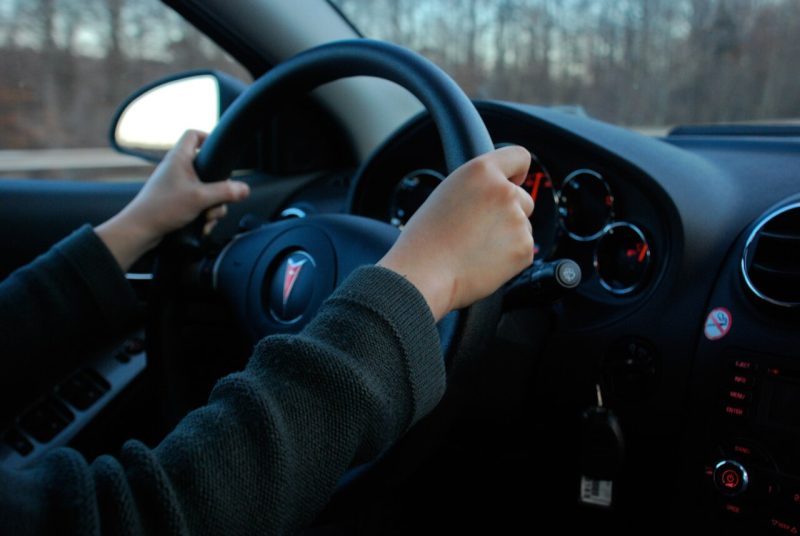
The steering wheel is pulled, not pushed. And the thumbs should be on the rim, not inside the spokes: if the steering wheel suddenly turns, pinched thumbs will hurt.
Downshift methodically. During heavy braking, you need to resynchronize the gearbox and engine, otherwise you risk the gearbox locking up, which is like pulling the handbrake at 150 km/h. Hence the double-clutching or heel-and-toe technique: it's explained here .
If you start to spin out, press both pedals, brake and clutch, keep your eyes on the direction you want to go, and wait for it to pass. Your hands should follow your gaze, not the other way around.
Know when to stop: a suspicious noise, a spongy brake pedal due to overheating, tires starting to slip, braking zones lengthening, a tired driver. One less lap has never ruined a day, but one too many laps will.
If you go off track
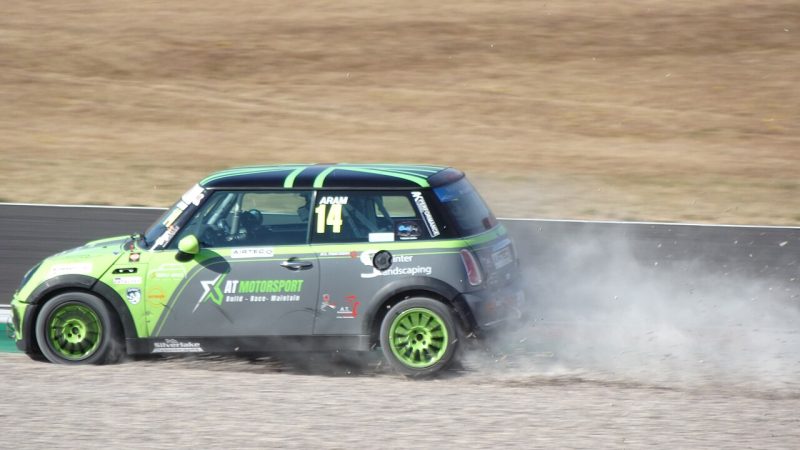
It happens to everyone sooner or later, and that's precisely why gravel traps exist. If the car can continue, wait until the track is clear before rejoining, without accelerating hard in front of another car (thanks a lot for its hood and windshield), then return to the pits to check the car's condition.
If the car can't restart, turn off the ignition and the kill switch, get out, and take shelter behind the barriers. Someone will come and get you, so be patient. Above all, don't stay near the car: another driver could make the exact same mistake as you, in the same spot, and you don't want to give them a chance to meet you.
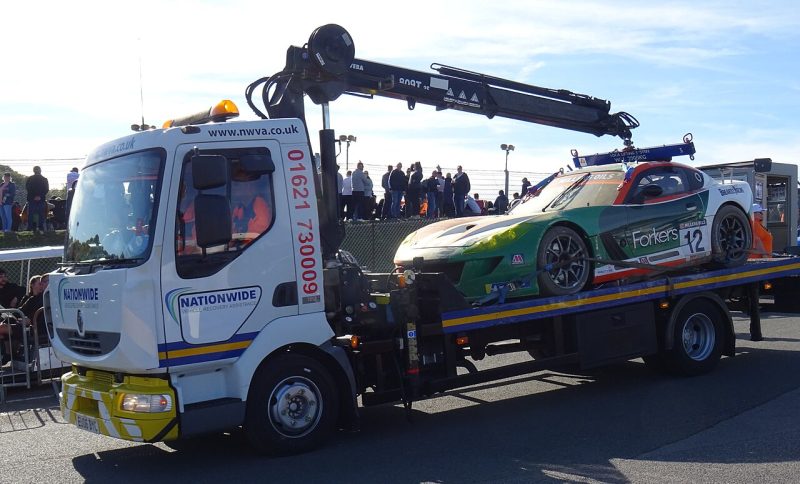
One special case: engine failure. Pull over immediately to the side of the track and wait to be rescued. Do not attempt to reach the pits: you would spill oil on the track, and the day would be interrupted for everyone involved in the cleanup. You would be very popular, but not in a good way.
After the track
Take a cool-down lap before heading in (unless there's a red or black flag): your car and brakes will thank you, and so will you, after a few focused laps. Pay extra attention to your mirrors, because this calm lap is often when you get overtaken by those who haven't. The pits are not a braking zone: use your hazard lights on the last lap, and approach slowly.
Once stopped, drive slowly around the parking lot. Park in reverse, without engaging the handbrake: the heat can cause the brake pads to stick to the discs, or warp them. Put the car in gear to lock it in place. If the engine is turbocharged, let it idle for a minute before turning off the ignition. Then, do a quick inspection: check tire wear and pressure, brake pad wear, and look for any leaks.
And the drive home?
The road isn't a racetrack. In principle, you've had your fill of thrills and you don't really feel like driving fast on the way back. If that's not the case, we can easily give you the address of another racetrack for the following week.
And now, the first day
Ultimately, the most important thing is to have fun. Everyone started somewhere, with the same anxieties and the same mistakes, and nobody became a pilot overnight. However, a huge smile on your face when you get back is guaranteed.
To find your first track day, the EuropaTrackdays calendar lists track days open to everyone, in France and across Europe, along with the circuits, organizers, and prices. Have a beginner's question or a tip to add? Let us know via the contact form ; other drivers will benefit.
And to find out what a day really costs, all in: How much does it cost to drive on a racetrack?


